Metastability
- Client
- Mental Atletic
- Published on
- MA Issue 3
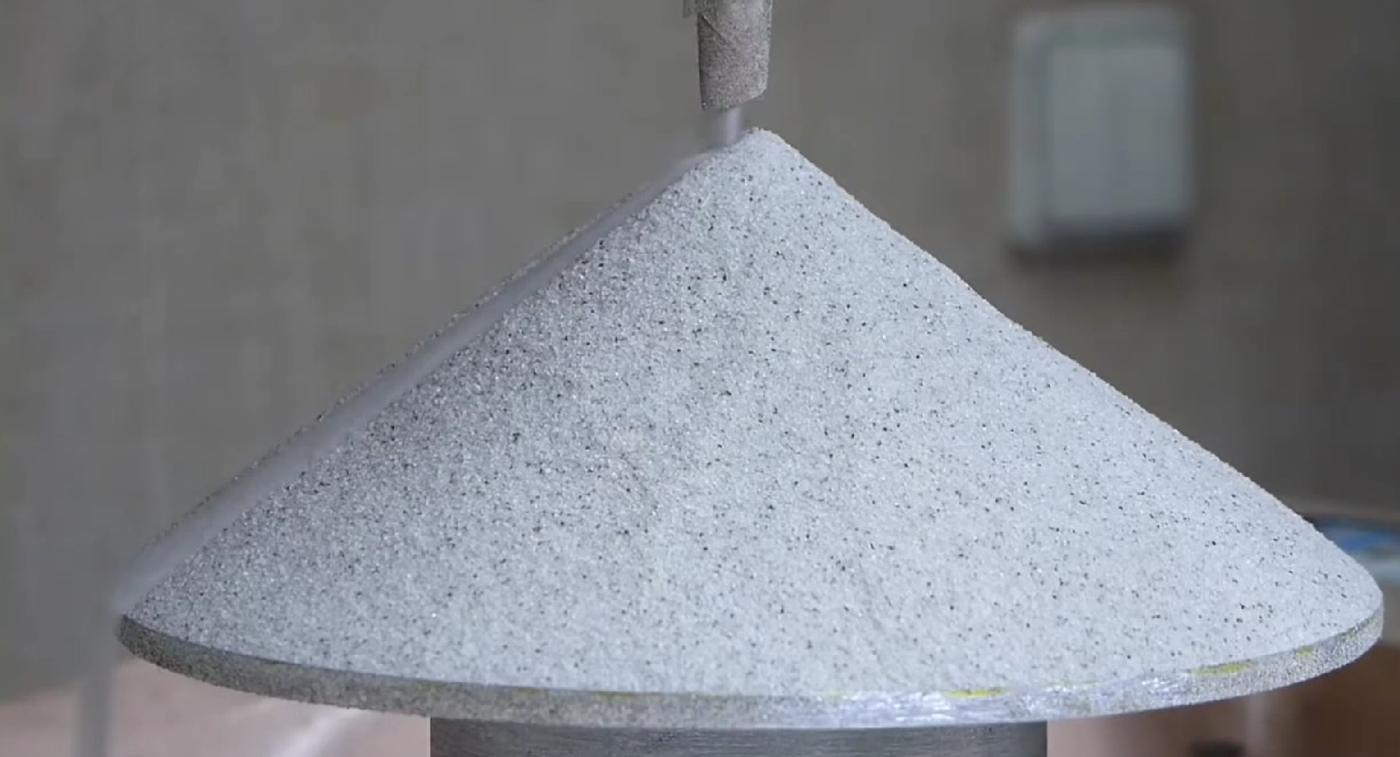
It is hard to stand still on a single leg. Yet we do it every day when going for a walk, a jog, or playing any kind of sport. At each step, we purposely lose our balance to move in space. Let’s take a step back.
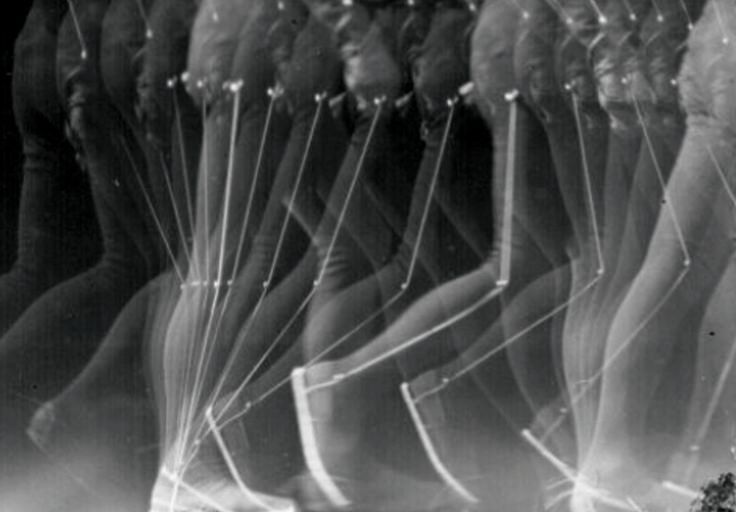
Take a system. The notion of stability is related to what happens when it is perturbed in some way: does it go back to its original configuration, or will it drift away from it? Consider a pendulum. Once set in motion, it oscillates, gradually slowing down over time until it comes to rest. From that point onward, the system will forever remain identical to itself unless perturbed again. This behavior reflects the tendency of each physical system to move toward an energy minimum, where perturbations cannot alter its configuration.
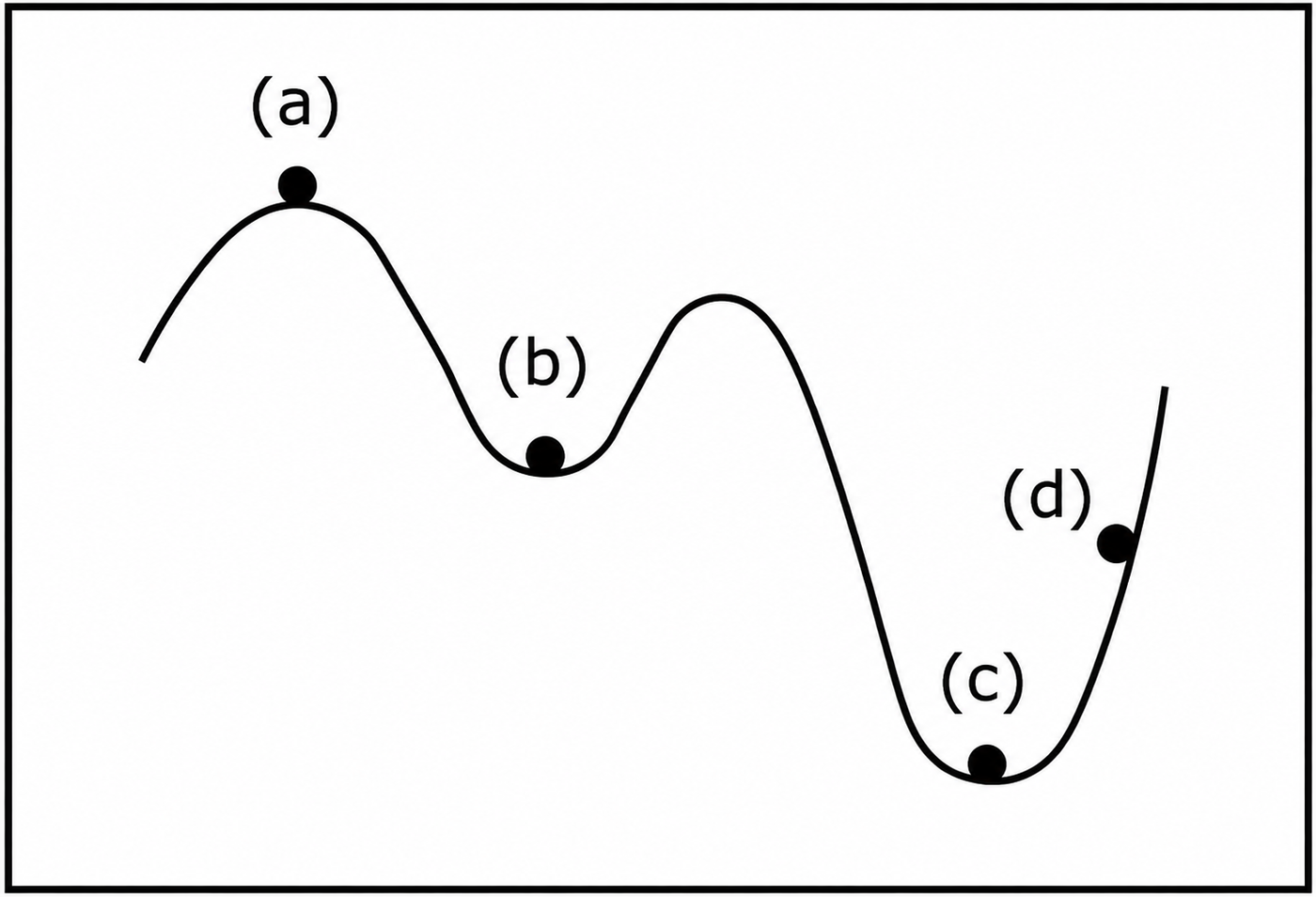
However, equilibrium points don’t always correspond to the lowest energy state. Imagine a wavy landscape with slopes, peaks, and valleys, and a ball rolling across it. When the ball sits at the top of a hill, it is in unstable equilibrium—any small disturbance will cause it to roll away. Conversely, if it settles in a valley, it reaches a stable state. What if it gets stuck in a place that is not the absolute lowest? These are metastable points: the system is not where it “would like to be”, but remains stable under small perturbations. In a world of countless complexities and factors acting together, metastability is an unavoidable effect encountered in nature.
A typical example of metastability might have occurred in your freezer. If the water is sufficiently pure, it can avoid reaching the state with minimum energy and instead remain in the metastable state of supercooling—staying liquid even at temperatures below 0°C. However, if a strong enough perturbation occurs, such as a shake or the act of pouring the water, the system can rapidly transition to its stable equilibrium, forming ice crystals almost instantly.

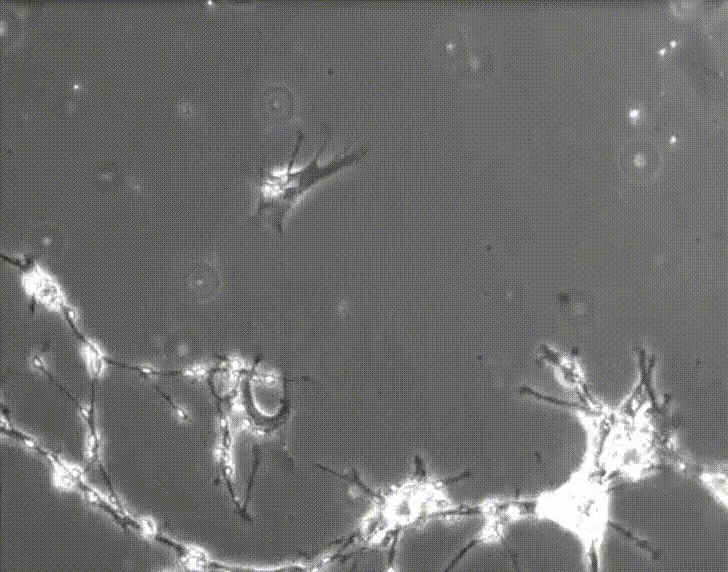
The ability to shift between equilibrium states enables systems to adapt, respond to stimuli, and reorganize without collapsing. For example, neural circuits in the human brain operate in metastable states: stable enough to store memories yet plastic enough to adapt to new inputs and information. A similar concept applies to evolutionary processes, as proposed in the theory of punctuated equilibrium. Over generations, small mutations act as perturbations to a metastable state, typically being reabsorbed unless they confer a significant advantage in natural selection. When such a beneficial change occurs, it often triggers a rapid transition to a new equilibrium.

Metastable equilibrium represents the continuous tension between stability and transformation, between maintaining a form and opening up to new possibilities. In this sense, for any living system, movement is never just moving through space, but also a creative condition, a state of passage in which each being finds its individuality in its continuous process of change.